Demo site · fictional company · nothing here is real
Water coming in? We tarp same day, seven days a week — call (916) 555-0148

Our work

Before and after

Drag the handle across each pair, or focus it and use the arrow keys. Every one of these is a job we would have quoted differently if we had seen it a winter earlier.

About these images Every photo on this site is a drawn placeholder, not a real job. On a live build this gallery holds the client's own photographs, and the alt text describes what is actually in each one.
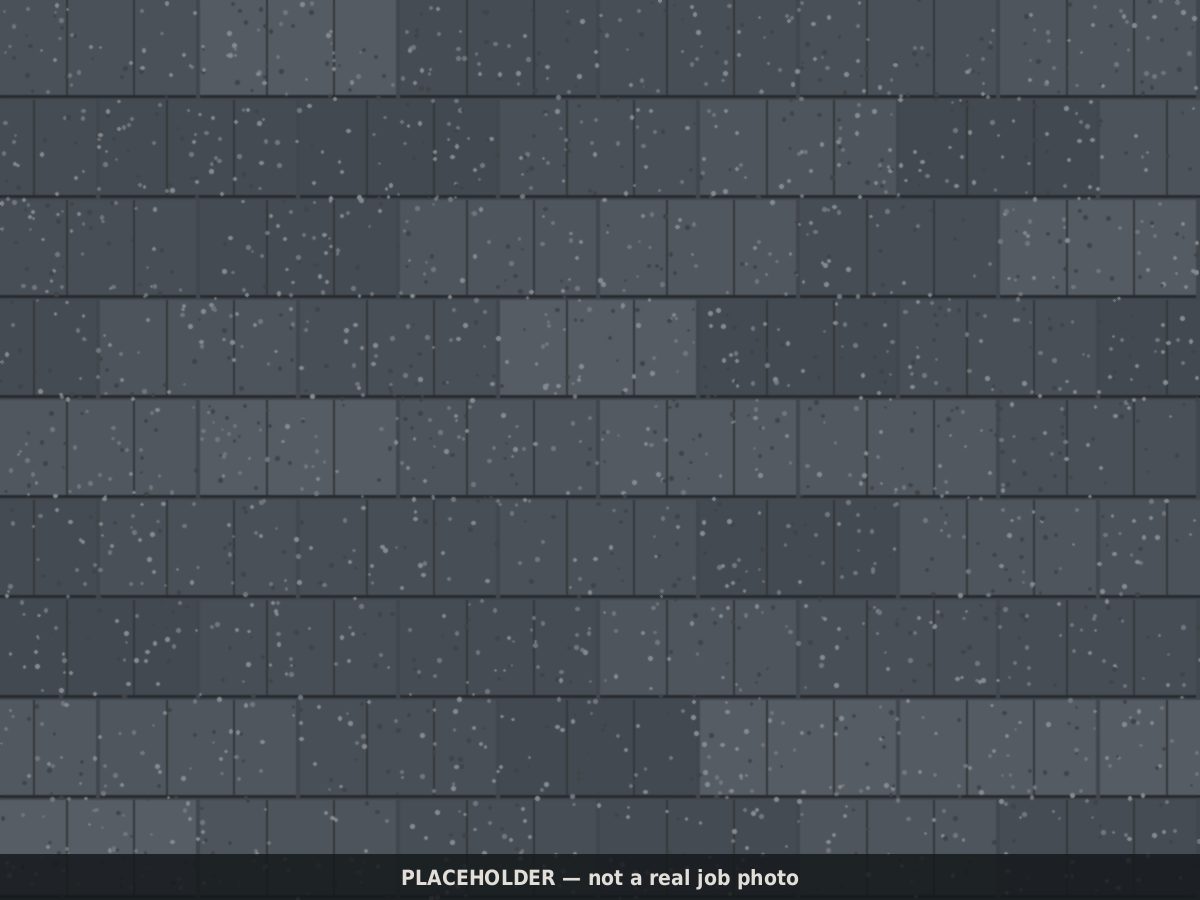
Drawn placeholder, after: the same gable roof with a complete new shingle field and ridge cap
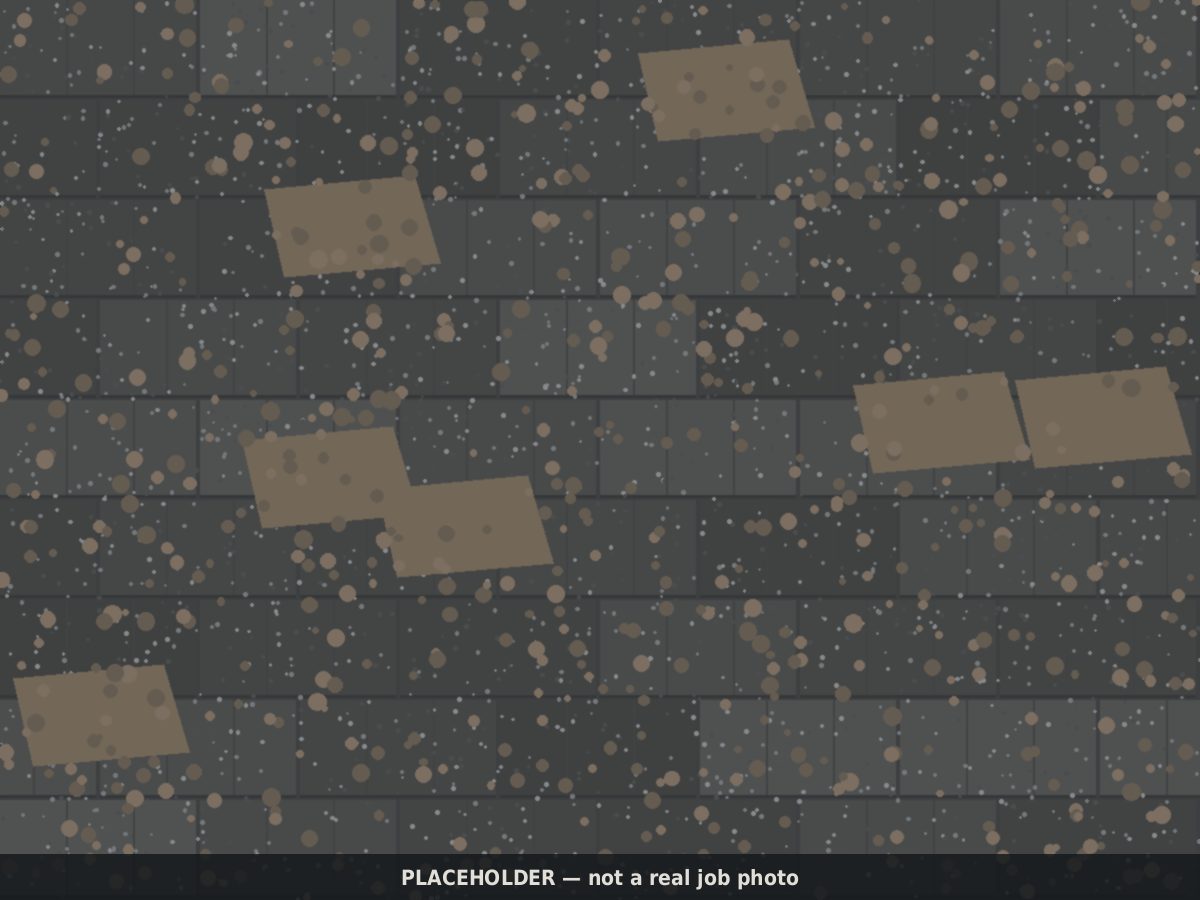
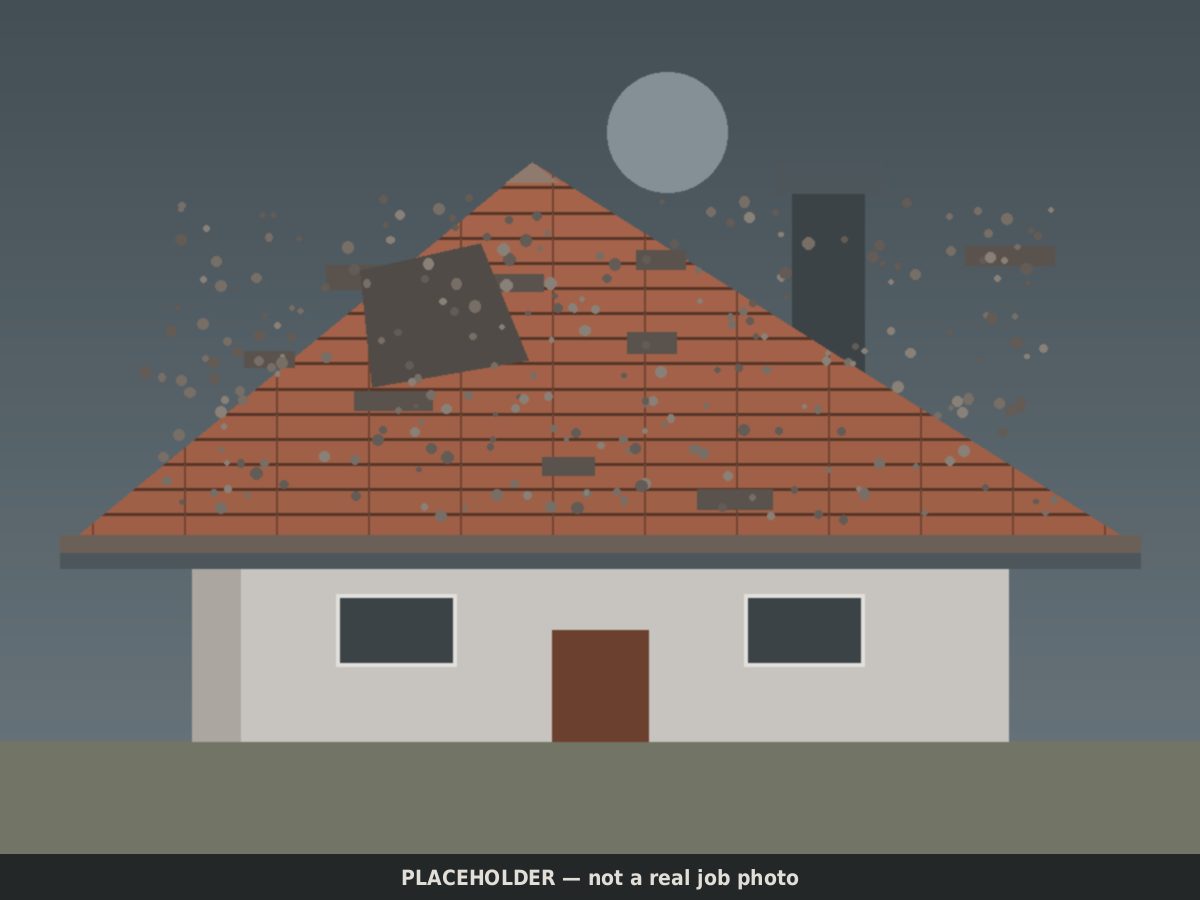
Drawn placeholder, before: aged gable roof with missing shingle tabs and staining
Before After
Storm damage, Rancho CordovaWind lifted a run of ridge cap and took tabs off the south slope. Tarped the same evening, replaced the following week.
Drawn placeholder, after: the same tile roof cleaned up and re-laid in even courses
Drawn placeholder, before: faded concrete tile with broken pieces and moss between courses
Before After
Failed underlayment, FolsomThe tile was sound. The felt beneath it had gone brittle and torn at the fastener holes. Lifted, re-felted, and the original tile went back down.
Drawn placeholder, after: new architectural shingle courses with even granule coverage
Drawn placeholder, before: worn shingle roof with bald patches and scattered debris
Before After
Granule loss, Citrus HeightsTwenty-two years on a south-facing slope with no ridge venting. Bald patches and cupped edges throughout — past repair, and the ventilation went in during the re-roof.
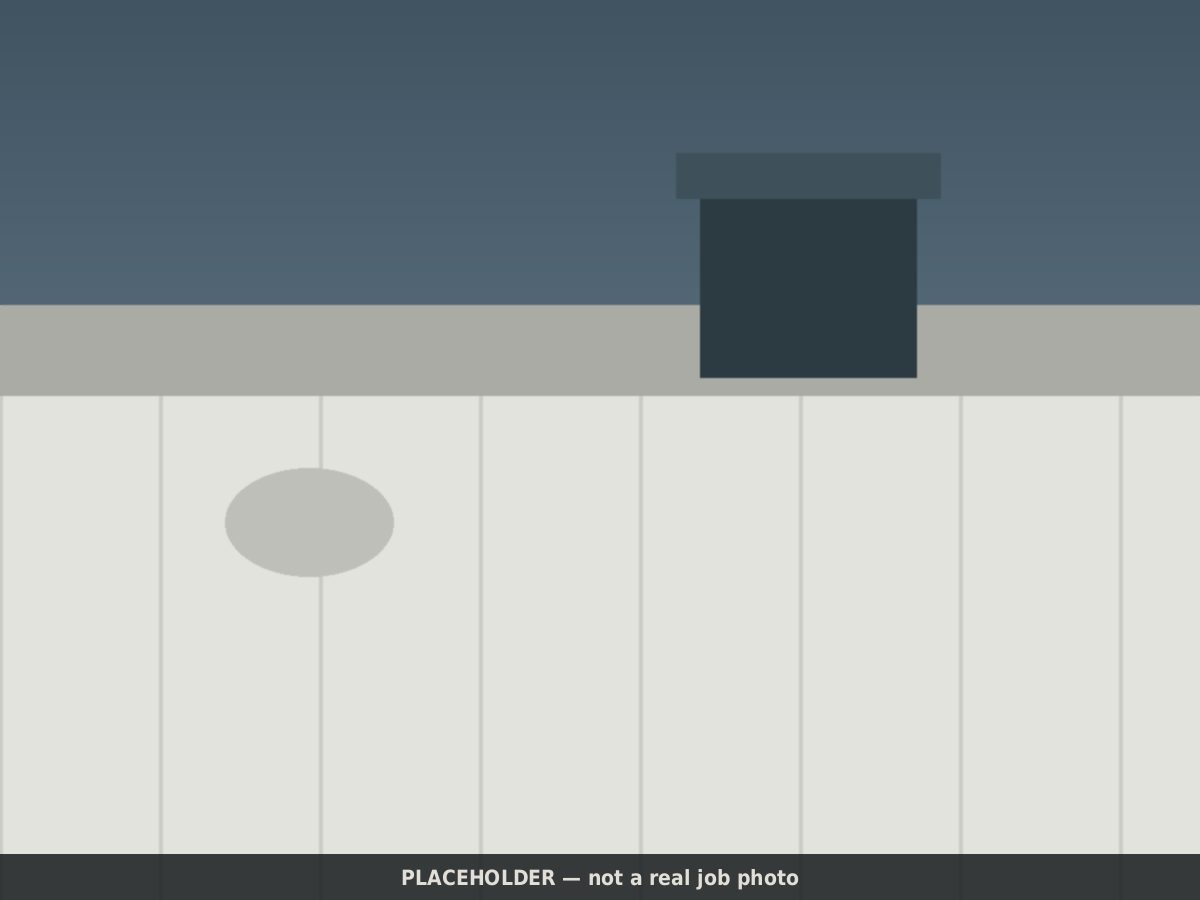
Drawn placeholder, after: the same flat roof with a clean single-ply membrane
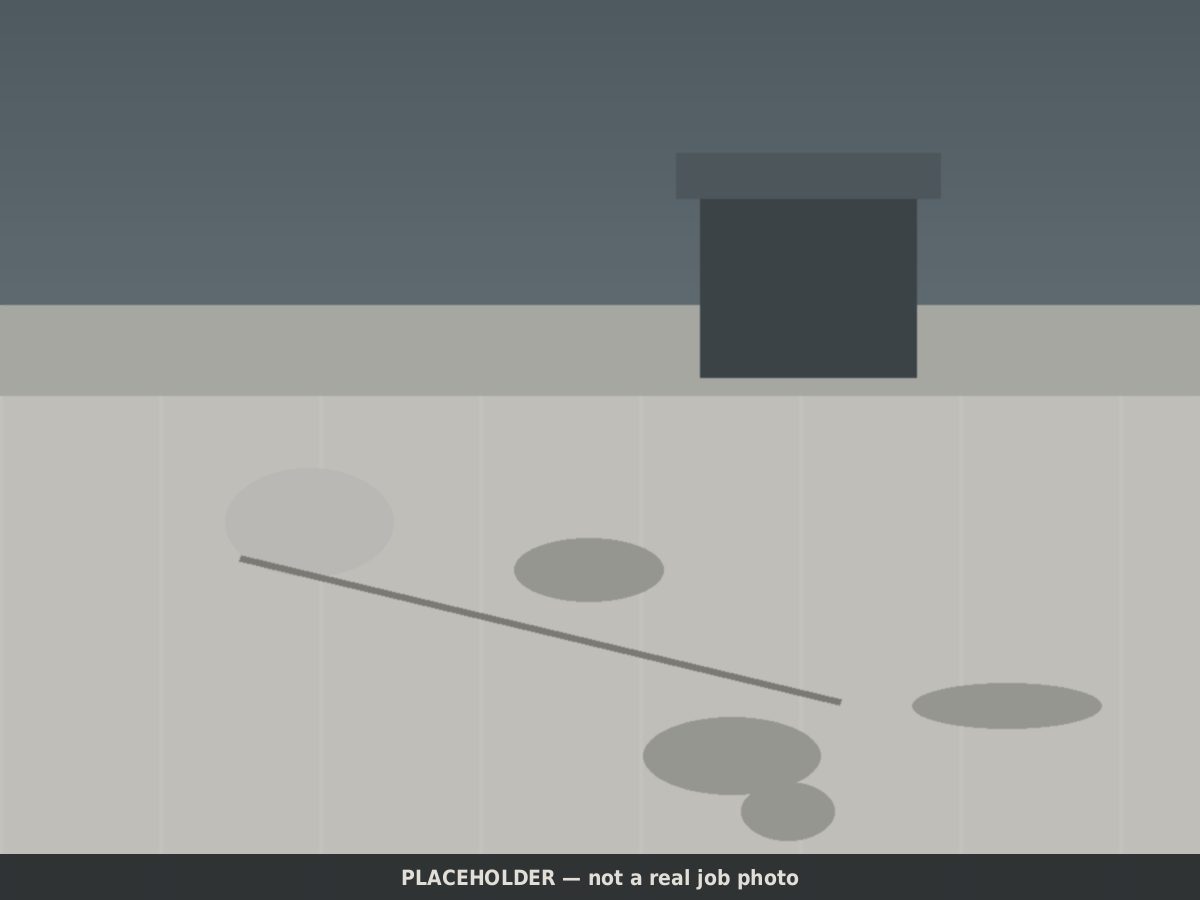
Drawn placeholder, before: flat roof section with standing water stains and a patched seam
Before After
Ponding on a patio cover, CarmichaelA low-slope section holding water after every storm. Re-sloped with tapered insulation and a new heat-welded TPO membrane.

What these have in common

Three of the four were cheaper jobs a year before we saw them. The storm damage was going to happen either way, but the granule loss, the failed underlayment and the ponding were all visible from the ground for at least a season, and all three cost more because water had already got into something.

That is the entire argument for a free autumn inspection, and it is why we do them for free: the roofs we look at in October are cheaper to fix than the ones we meet in January.

Not sure which of these yours looks like?

Send a photo from the ground. We can usually tell you over the phone whether it needs looking at this year.

Tap to call (916) 555-0148